How Youth Sports Leadership Builds 100 Athletes
Youth sports leadership is the intentional development of athletic ability, confidence, teamwork, and responsibility through sport. At Mount’s Legacy, athletes train with measurable performance tools, compete in supportive programs, and grow through mentorship—helping young people in Greensboro and the Triad become stronger competitors and more capable community leaders.
What Does Youth Sports Leadership Look Like?
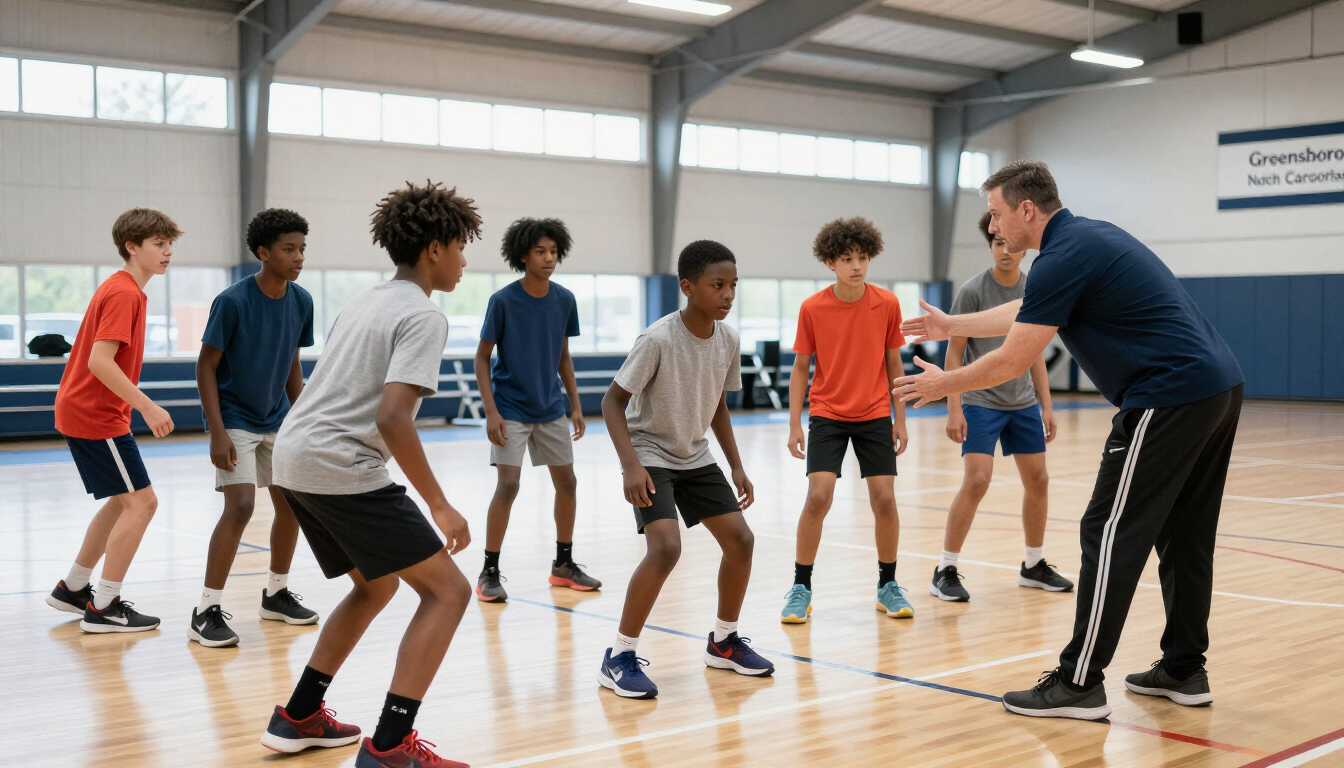
Youth sports leadership goes beyond naming a team captain or winning a championship. It is the process of helping young athletes develop the habits, communication skills, and character needed to contribute positively on and off the field.
At Mount’s Legacy Training LLC and Mount’s Legacy Foundation, leadership is built into the athlete journey. A child may begin by learning how to sprint, catch, jump, dribble, or move with confidence. Over time, that same athlete can learn how to encourage a teammate, respond to coaching, overcome frustration, and guide a younger participant.
The result is a complete development model built around:
- Athletic skill and physical literacy
- Confidence under pressure
- Respect for teammates, coaches, and opponents
- Accountability and consistent effort
- Service to the community
This approach reflects Mount’s Legacy’s guiding belief: “More than a game. It’s a movement.” Sports become a practical environment where children learn how to pursue excellence while remaining connected to others.
How Does Mount’s Legacy Build Stronger Athletes?
Mount’s Legacy combines sports science, structured competition, and age-appropriate coaching to help athletes make meaningful progress. The goal is not to force every child into the same pathway. Instead, programs meet athletes where they are and provide a clear next step.
Performance Training With Objective Feedback
Athletes can develop speed, agility, reaction time, jumping ability, and movement quality through modern performance tools, including:
- VALD SmartSpeed laser timing gates for sprint measurement
- ForceDecks jump diagnostics for lower-body performance insights
- InBody testing for body composition information
- BlazePod systems for visual reaction and cognitive training
Objective data gives families and coaches a clearer picture of progress. Rather than relying only on impressions, athletes can understand what they are improving and where focused practice may help.
Technology, however, is only one part of the process. Data becomes valuable when a qualified coach explains it, connects it to a training plan, and helps a young athlete use feedback without becoming defined by a single number.
Developmental Programs for Different Ages and Goals
Mount’s Legacy serves youth athletes from approximately ages 4 to 18, from beginners discovering movement to advanced athletes preparing for collegiate opportunities. Available pathways include:
- MLS GO Youth Soccer: A welcoming introduction to soccer, teamwork, and game awareness
- Gridiron Flag Football: Skill development, coordination, strategy, and competitive play
- Premier Youth Basketball: Foundational skills, decision-making, and confidence on the court
- NinjaZone gymnastics and obstacle movement: Strength, balance, coordination, and creative movement
- PEAK Track Club: Event-specific training and verified FAT marks for competitive track and field
Why Is Leadership Important in Youth Sports?
Youth sports leadership matters because athletic experiences often become rehearsal for real-world responsibilities. Young people practice setting goals, receiving feedback, managing emotions, and working with people who may have different abilities or perspectives.
A strong sports environment can help athletes learn to:
- Communicate clearly: Players must listen, ask questions, and share information during practices and games.
- Take responsibility: Athletes learn that preparation, attendance, and attitude affect the entire group.
- Respond to setbacks: A missed shot, slow time, or difficult practice becomes a chance to adjust and continue.
- Support others: Experienced athletes can encourage beginners and recognize contributions that do not appear on a scoreboard.
- Lead through action: Consistency, respect, and effort often influence teammates more than a title does.
These lessons are especially meaningful during adolescence. As children grow, they need opportunities to make decisions, experience appropriate challenges, and see the connection between their choices and outcomes.
How Does the 100-Athlete Milestone Reflect the Movement?
The 100-athlete milestone represents more than a participation number. It reflects the growing reach of a community centered on development, opportunity, and belonging. Each athlete brings a different starting point, goal, personality, and story to the organization.
Reaching 100 athletes means more young people have access to experiences that can shape them for years. It means more chances for a beginner to discover a sport, a developing player to find confidence, and an experienced athlete to become a mentor.
The milestone also highlights a broader commitment: building a sustainable athletic ecosystem in the Triad. That ecosystem connects performance training, leagues, clinics, track competition, adaptive movement, mentorship, and financial assistance rather than treating each service as an isolated offering.
A milestone is most meaningful when it points toward the next opportunity. Mount’s Legacy’s continued focus is not simply to enroll more athletes. It is to help each participant make progress, feel supported, and understand how their growth can positively affect others.
What Role Does Mentorship Play?
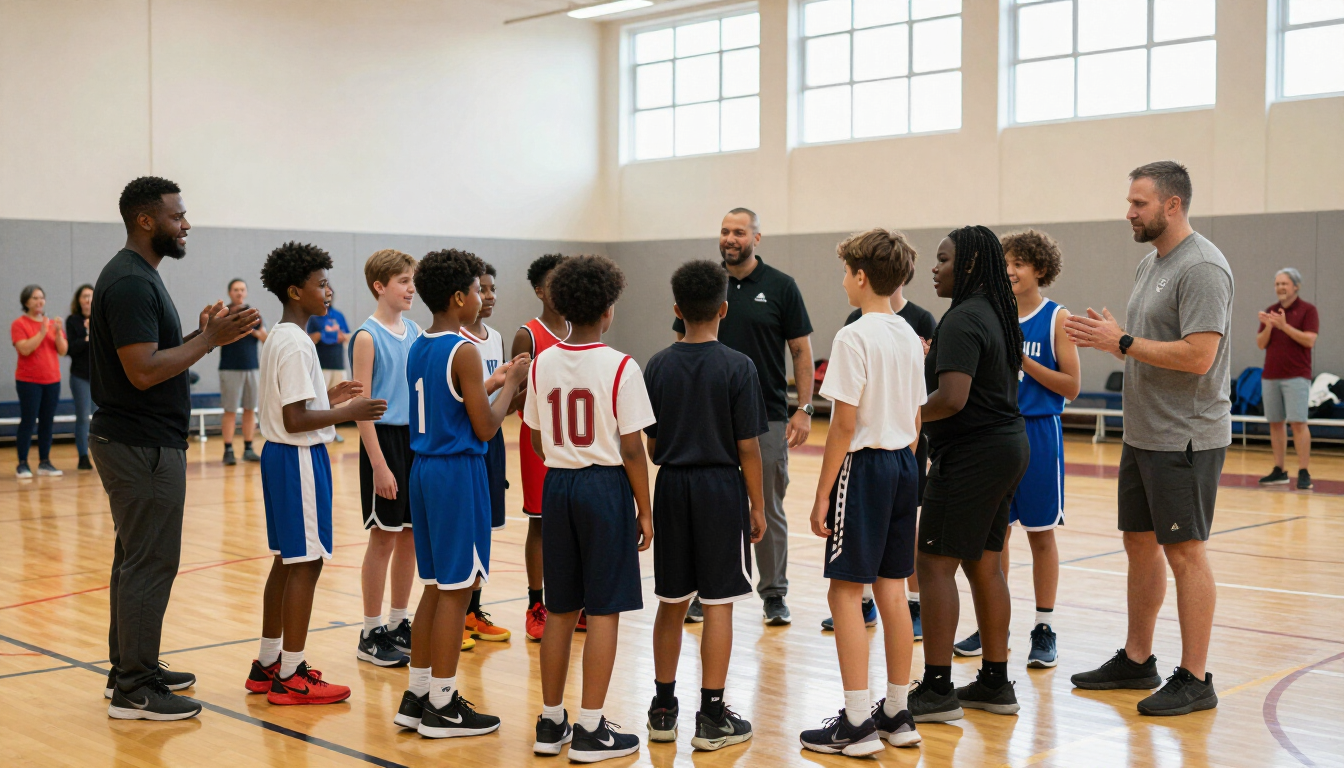
The MLT Legacy Mentors program gives athletes ages 12 to 18 an opportunity to support younger participants while building their own leadership skills. Older athletes may assist coaches, model positive behavior, help with activities, and encourage children who are still learning the basics.
Mentorship benefits both sides of the relationship. Younger athletes see relatable examples of what growth can look like. Older athletes practice patience, communication, organization, and responsibility in a real setting.
For families, this creates a visible progression:
- A child joins as a beginner.
- The athlete develops skills and confidence.
- The athlete learns to contribute to a team.
- The athlete begins helping others.
- The athlete becomes part of the next generation of leaders.
This pathway helps children recognize that leadership is not reserved for the most talented player. It is available to anyone willing to show up, improve, and make the environment better for others.
How Are Programs Made More Inclusive?
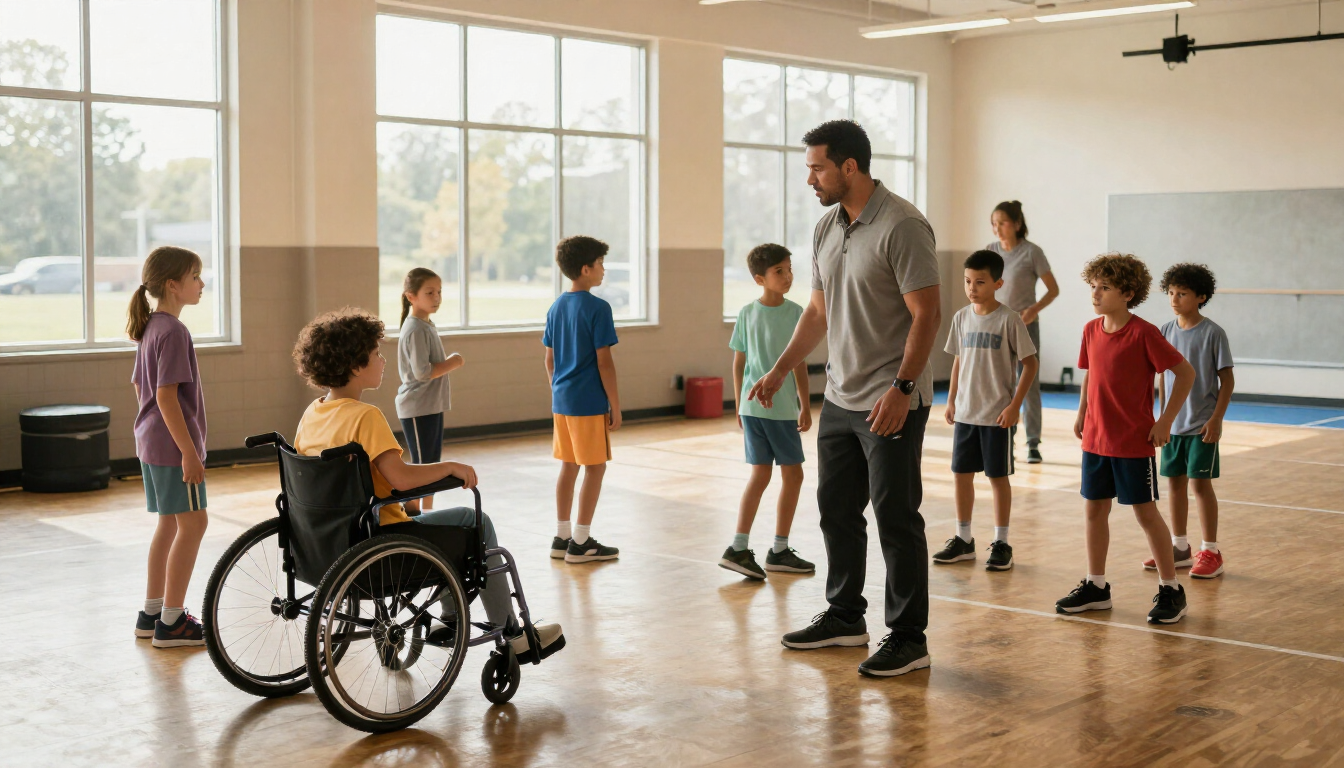
Athletic development should be accessible to children with different sensory, physical, emotional, and developmental needs. Mount’s Legacy’s Next Level Adaptive Edge provides sensory-conscious, low-ratio athletic movement programs for neurodivergent youth and children with unique developmental needs.
A more inclusive program may provide:
- Smaller groups and additional individual attention
- Predictable routines and clear instructions
- Movement activities that can be adjusted to each child
- A lower-pressure environment for building confidence
- Coaches who understand that progress may look different for every athlete
Inclusion is not about lowering expectations. It is about creating the right conditions for athletes to participate, learn, and experience success. When children feel safe and understood, they are more likely to take healthy risks and remain engaged.
Parents who want to learn more about the organization’s approach can visit the About page or contact the team with questions about fit, readiness, and available program options.
What Can Parents Look for in a Youth Sports Program?
Parents evaluating a program should look beyond rankings, facilities, and promotional language. The strongest fit is a program that supports the child’s current needs while offering a realistic path for future growth.
Consider these questions:
- Does the program value development as well as competition?
- Are coaches able to explain how they teach skills and measure progress?
- Can the program accommodate different experience levels?
- Are athletes expected to demonstrate respect and accountability?
- Is there a clear response to mistakes, conflict, or frustration?
- Does the environment welcome families from different backgrounds?
- Are costs, schedules, and participation expectations easy to understand?
Parents can also observe how coaches speak to athletes when things do not go perfectly. A child-centered program should be demanding without being demeaning, structured without being rigid, and competitive without making winning the only definition of success.
Building the Next 100 Athletes
The next stage of the Mount’s Legacy movement is about depth, not just scale. Every new athlete should have access to an encouraging introduction, quality instruction, and a pathway that matches their goals. Some children may discover a lifelong love of sport. Others may pursue school teams, track qualification, or collegiate opportunities. Many will simply gain confidence, fitness, friendships, and resilience.
The organization’s community model also recognizes that financial barriers can prevent talented and dedicated children from participating. Through Mount’s Legacy Foundation, need-based financial aid and scholarship assistance help more families access programs across the organization.
That support strengthens the entire community. When more children can participate, teams become more representative, mentors have more opportunities to serve, and families build relationships around shared goals.
Frequently Asked Questions About Youth Sports Leadership
Is youth sports leadership only for advanced athletes?
No. Leadership can begin at any level. A young athlete may demonstrate leadership by listening carefully, helping a teammate, practicing consistently, or showing respect after a difficult result. Advanced athletes may take on additional mentoring responsibilities, but every participant can contribute positively.
What age should children start leadership development?
Leadership development can begin as soon as children participate in group activities. For younger athletes, it may focus on sharing, taking turns, following directions, and encouraging teammates. Older athletes can practice communication, mentoring, decision-making, and service.
How does sports performance training support leadership?
Performance training teaches athletes to set goals, use feedback, manage challenges, and stay consistent. When coaches connect measurable training with positive habits, athletes learn that improvement comes from preparation and purposeful effort.
Can children participate if they are new to sports?
Yes. Developmental programs are designed to help beginners learn foundational movement and sport skills. Families should select an age- and ability-appropriate program and communicate with coaches about the child’s experience, goals, and needs.
Are financial assistance options available?
Mount’s Legacy Foundation provides need-based financial aid and scholarship assistance across programs. Families should contact the organization or review current information through the Resources page to learn about available support and application details.
The Takeaway
Youth sports leadership is built through consistent practice, supportive coaching, meaningful competition, and opportunities to serve others. Mount’s Legacy brings those elements together through sports performance training, youth leagues, inclusive movement programs, PEAK Track Club, mentorship, and financial assistance. The 100-athlete milestone celebrates a growing community, but the larger goal is lasting development: helping children become confident athletes, dependable teammates, and capable leaders. Parents should compare program goals, coaching approach, accessibility, and next steps, then choose the pathway that best fits their child’s interests and stage of growth.